

UPDATE: Marathon County Corporation Counsel Brian Desmond responded to The Wausonian after publication. His comments are included below.
Roughly 10 years ago, Marathon County leaders found themselves in an interesting position. A Republican-backed overhaul of Wisconsin’s metallic-mining laws left county leaders with limited options for restricting a project in Marathon County.
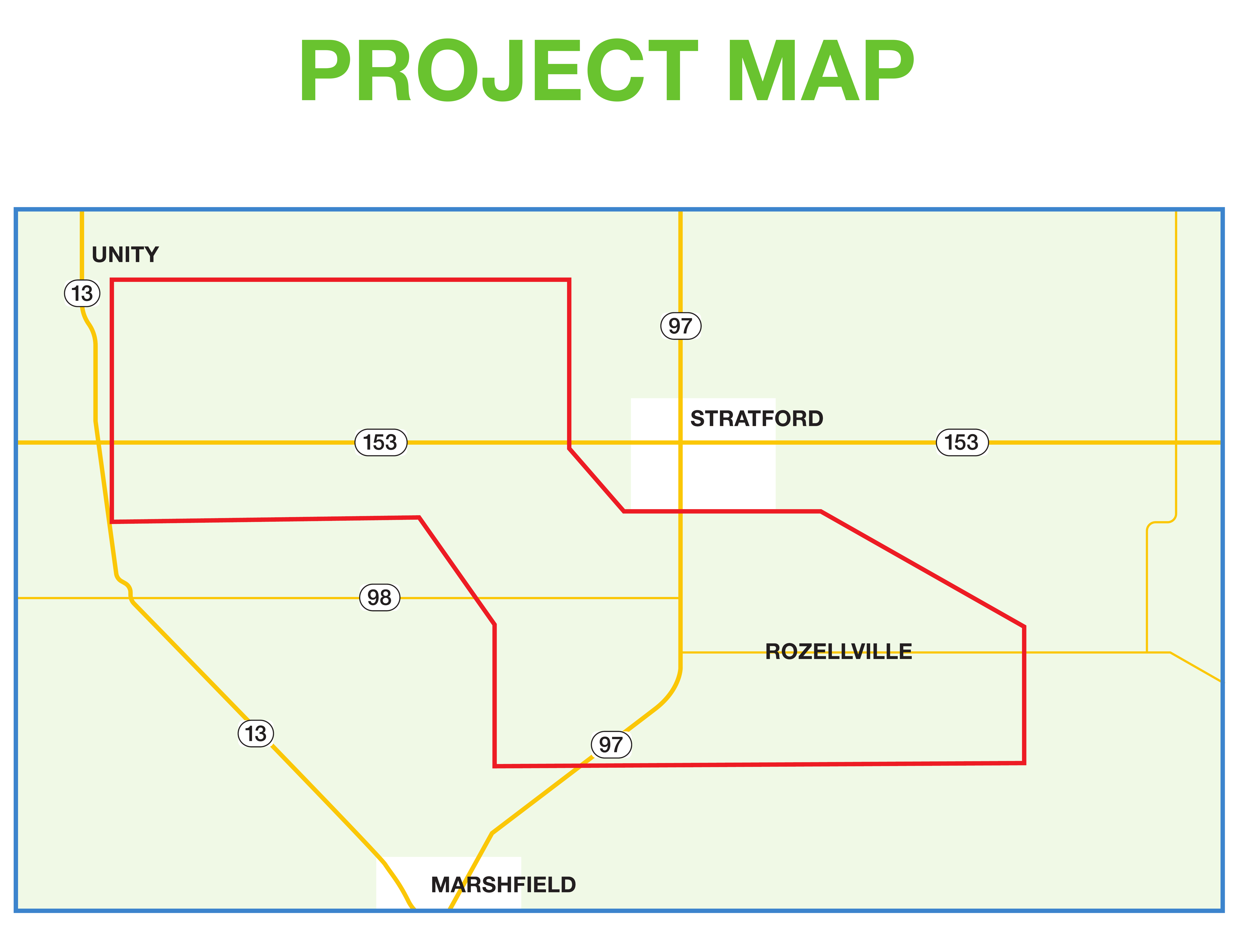
Now the county finds itself in a similar position — but this time over a proposed wind farm in the towns of Day, McMillan, Eau Pleine, Cleveland, Green Valley and Brighton.
That’s because the state Public Service Commission sets specific rules governing the kinds of restrictions counties can impose on such projects. A wind farm that complies with the PSC’s standards is largely regulated at the state level.
County leaders complained then about the lack of local control. Today, county and town officials are again raising concerns about local control, along with noise, possible health effects and declining property values.
Interestingly, the two projects sit on opposite sides of Wisconsin’s political culture wars. Metallic mining was championed by Republicans as a jobs and resource-development issue, while renewable energy projects are more often associated with Democratic climate and clean-energy goals.
But for county officials, the practical question is strikingly similar: How much local protection can they secure when state rules control much of the permitting?
The wind farm project
The Wausonian has not previously written about the Hub City Wind Farm. The 150-megawatt wind farm proposed by Alliant Energy would be a utility-scale wind project in the southwest quadrant of Marathon County, just north of Marshfield.
Alliant estimates the project would include 28 to 38 turbines, generate 450,000 megawatt-hours annually and produce enough electricity to power about 45,000 homes. The company says it has about 20,000 participating acres involving roughly 100 landowners.
The project began with outreach to landowners in late 2022 or early 2023. Alliant representatives say it has been in development for about 3½ years. The company is still making design decisions, including selecting a turbine model, conducting environmental and technical studies and working on the overall layout.
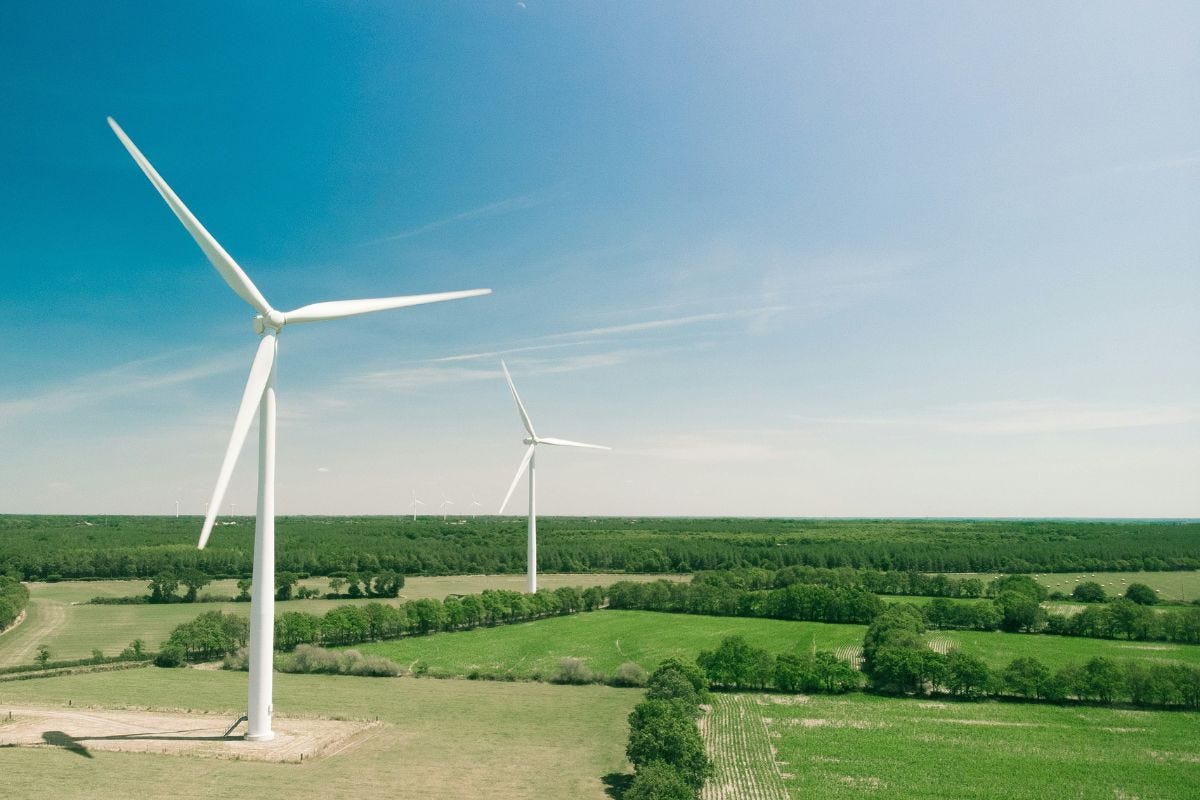
Turbine height is one issue. Alliant says a conservative upper-end estimate would put the blade-tip height at about 680 feet, although smaller turbines are also being considered.
Alliant says it hopes to submit an application to the PSC later this year. Under one hypothetical timeline presented by the company, the PSC could issue a decision by January 2028.
If the project is approved on that timeline, construction could begin in late 2028 or in 2029. Alliant says the project could potentially be completed in one construction season if it uses fewer, larger turbines.
The project could also bring financial benefits. Alliant estimates Marathon County would receive about $450,000 annually in shared utility revenue, while the host towns would divide another $300,000 annually. The company has also estimated landowner payments at about $1.8 million per year, depending on the final project size.
Marathon County created the Alternative Energy Project Local Impact Advisory Committee to study the proposal. The committee is not responsible for approving or rejecting the wind farm. Instead, it is gathering concerns, identifying possible protections and preparing recommendations for the county’s Executive Committee.
But the committee’s first meetings revealed a deeper problem: County and town officials are being asked to prepare for a project without knowing exactly where the turbines will go — or how much power they legally have to protect nearby residents.